

Indoor Air Quality in Montgomery County Homes: What You Need to Know
Indoor Air Quality Solutions for Montgomery County, TX Homeowners
Indoor air quality (IAQ) is one of the most overlooked issues in Montgomery County homes. The EPA estimates Americans spend about 90% of their time indoors. and indoor air can be 2–5 times more polluted than outdoor air. In our hot, humid climate, that problem is amplified. Here’s what you need to know.
Why Indoor Air Quality Matters More in Montgomery County
Montgomery County’s climate is relentless with hot summers, high humidity, and long stretches of closed-window weather. That combination creates the perfect environment for indoor air quality problems to develop and go unnoticed.
When your home is sealed tight against the heat, pollutants accumulate. Dust, pet dander, volatile organic compounds (VOCs) from paint and cleaning products, and biological contaminants have nowhere to go. Your HVAC system circulates the same air over and over, which means a dirty system or clogged filter makes everything worse.
Local note: Montgomery County averages 60–80% relative humidity for much of the year. At levels above 60%, dust mites thrive and biological growth becomes a real risk, even in clean homes. Humidity control is not optional here; it's a necessity.
The Most Common Causes of Poor Indoor Air Quality
1. High Humidity and Moisture
Excess moisture is the root cause of many IAQ problems in Montgomery County. When humidity levels stay above 60%, organic growth can germinate on surfaces in as little as 24–48 hours. Dust mites, a leading allergen trigger, also proliferate in humid conditions. You may not see biological growth, but you can smell it: a musty odor in the air or near vents is a telltale sign. If you think biological growth is a concern, please get it checked out by a certified inspector.
2. Dirty or Clogged Air Filters
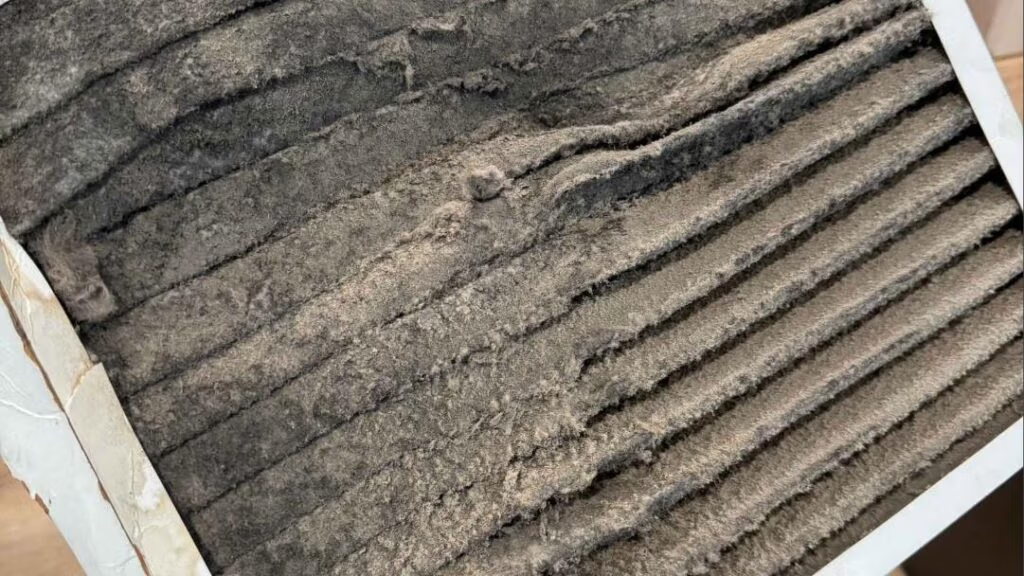
Your air filter is your HVAC system’s first line of defense against airborne particles. A clogged filter does two things wrong: it reduces airflow (making your system work harder and wear out faster) and it stops capturing dust, pollen, and contaminants. For most Montgomery County homes, standard 1-inch filters need to be replaced every 3 months. If you have animals in the home, fur and microscopic dander will rapidly clog a standard filter. To keep your airflow strong and your air clean, plan to swap them out every 4 to 6 weeks.
3. Duct Contamination
Dirty ductwork is a reservoir for dust, spores, and allergens that get redistributed through your home every time the system runs. If your ducts haven’t been professionally inspected in several years, or if you’ve had any moisture intrusion, it’s worth having them evaluated.
4. Pet Dander and Biological Contaminants
Homes with pets carry a higher concentration of dander particles, which are a major allergen. Standard filters often don’t capture particles small enough to trap dander effectively. If anyone in your household has allergies or asthma, this could be a contributing factor.
5. VOCs and Off-Gassing
Household products like paints, adhesives, cleaning sprays, air fresheners, and synthetic carpeting release volatile organic compounds (VOCs) into the air over time. These compounds can cause irritation, headaches, and fatigue. Newer homes are especially susceptible because building materials and finishes continue off-gassing for months after construction.
Warning Signs Your Home May Have an Indoor Air Quality Problem
Indoor air quality problems are rarely dramatic. They tend to show up as a discomfort that many homeowners write off as allergies or aging. Watch for these signals:
- Musty or stale odors, especially near vents or in humid rooms
- Allergy or asthma symptoms that improve when you leave home and return when you're back
- Visible dust accumulation on or near air vents and registers
- Unexplained headaches, fatigue, or eye/throat irritation
- Your HVAC filter looks gray or clogged within weeks of replacement
Solutions: What You Can Actually Do
Replace Your Air Filter on the Right Schedule
This is the single easiest and most impactful thing you can do. In Montgomery County’s climate, standard 1-inch filters should be changed every 90 days. Homes with pets, heavy dust, or occupants with allergies should lean toward monthly changes. Upgrading to a higher-MERV rated filter (MERV 8–13) captures a wider range of particles without restricting airflow, as long as your system supports it.
Control Humidity with a Whole-Home Dehumidifier
A portable dehumidifier in one room is a temporary patch. A whole-home dehumidifier integrated with your HVAC system maintains consistent humidity levels (ideally 45–55%) throughout the entire house, all the time. This is one of the most effective investments a Montgomery County homeowner can make for both comfort and long-term air quality.
Install a Whole-Home Air Purification System
Modern whole-home air purifiers work within your existing ductwork to treat every cubic foot of air in the house, not just one room. Options include HEPA-style filtration systems, electronic air cleaners, and UV germicidal lights. UV light systems in particular are effective at neutralizing biological contaminants bacteria and viruses directly in the air handler.
At Weiss Air Conditioning & Plumbing, we recommend whole-home solutions over portable units for most households. The coverage is total, the maintenance is minimal, and the difference in air quality is noticeable within days.
Schedule Regular HVAC Maintenance
Your HVAC system is the lungs of your home. A well-maintained system with clean coils, clear drainage, and a functioning filter runs efficiently and circulates cleaner air. A neglected system with dirty coils, blocked drain, and aged filters becomes an active source of air quality problems. Preventative maintenance should be the baseline; twice-yearly service is ideal in this climate.
Weiss Air Conditioning & Plumbing tip: If you're unsure where to start, a complete HVAC inspection is the fastest way to identify the root causes in your specific home.
Ready to Breathe Easier?
Weiss Air Conditioning & Plumbing serves homeowners across Montgomery County, TX. Call us or schedule online and we’ll identify what’s affecting your air and give you an honest recommendation.
Frequently Asked Questions
What causes poor indoor air quality in Montgomery County homes?
The main causes are high humidity, dirty or clogged air filters, pet dander, VOCs from household products, and inadequate ventilation. Montgomery County’s hot, humid climate makes humidity control especially important. Most of the year, outdoor humidity is already well above the 60% threshold where problems tend to start.
How do I know if my home has an indoor air quality problem?
Common warning signs include musty or stale odors, allergy or asthma symptoms that improve when you leave home, visible dust buildup near vents, condensation on windows, and excessive indoor humidity. If your HVAC system hasn’t been serviced recently, that’s often the root cause.
Can Weiss Air Conditioning & Plumbing help with indoor air quality?
Yes. Weiss Air Conditioning & Plumbing serves homeowners throughout Montgomery County, TX, including The Woodlands, Conroe, Spring, Tomball, Magnolia, Willis, and Montgomery. We install whole-home air purifiers, UV lights, dehumidifiers, and perform HVAC maintenance that can help improve indoor air quality.
Stay Connected With Us!
Other Blog Posts
When to Turn On Your Heater in Montgomery County, TX
Not sure when to switch from AC to heat in Montgomery County? Here’s the temperature to watch for, what to check first, and when to call Weiss.
Why Fall Maintenance Is Essential for Your HVAC
Learn why October through January is the prime window for fall HVAC preventative maintenance in Montgomery County TX.