One Kitchen Habit That Leads to a Clogged Drain
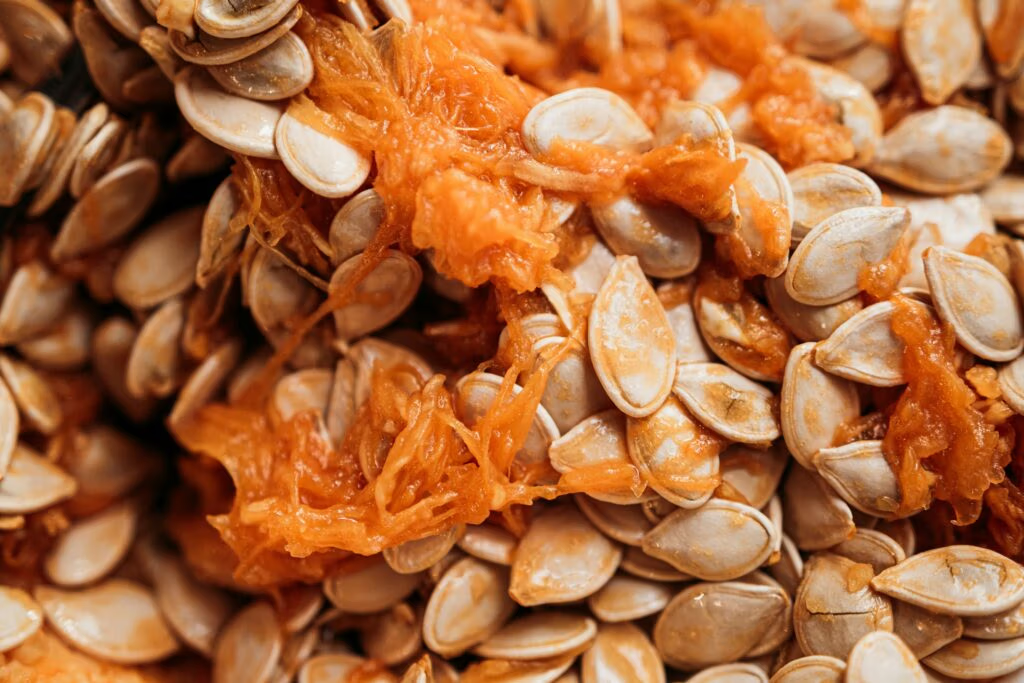
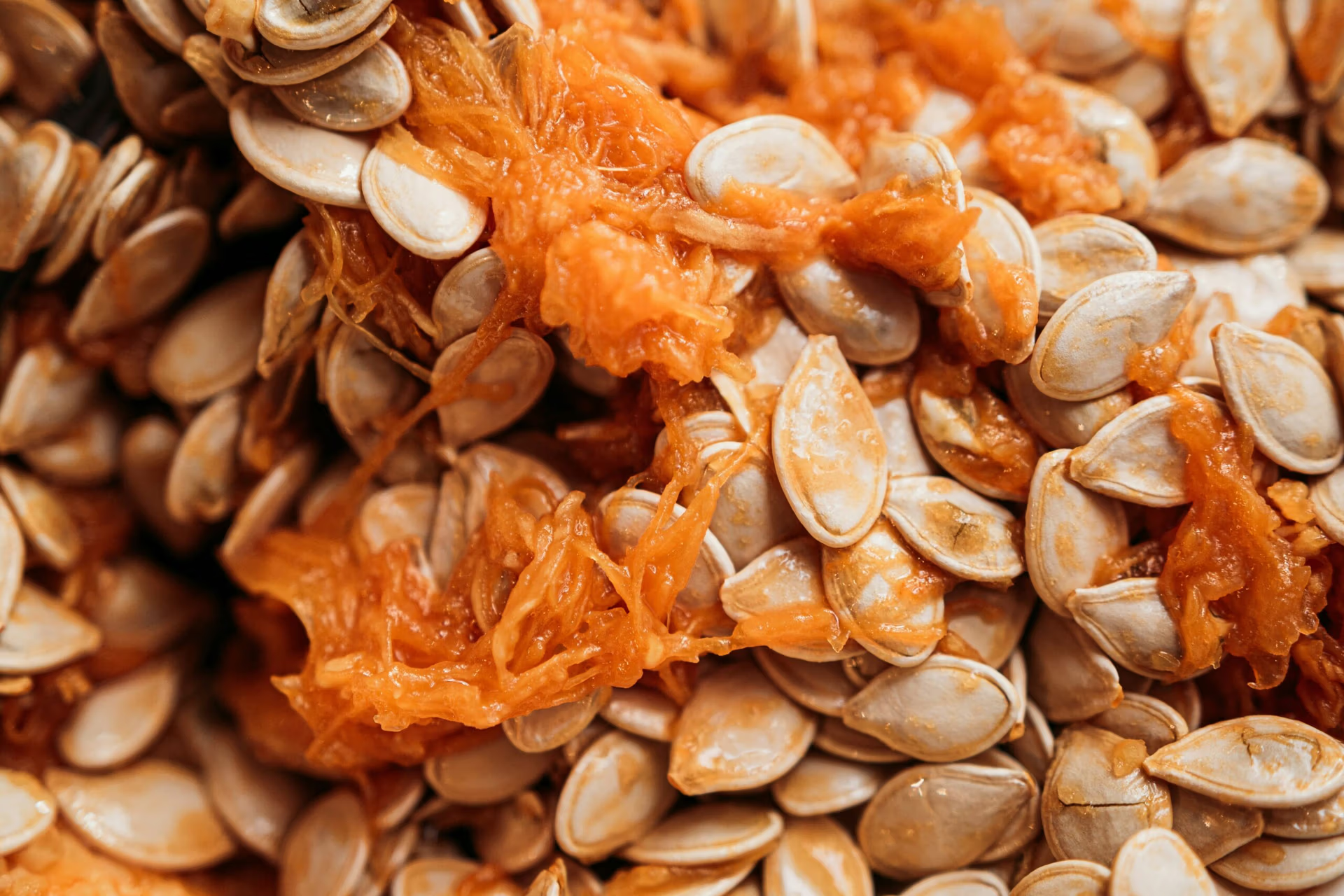
Pumpkin rinds, pulp, and seeds don’t belong in the garbage disposal, and October is when plumbers see why. Between jack-o’-lantern carving and fall get-togethers, kitchen sinks take on more pumpkin waste in one month than the rest of the year combined — and disposals aren’t built to handle it.
How Pumpkin Waste Damages the Disposal
The stringy pulp wraps around the impeller. It behaves a lot like celery strings or corn husks, if you’ve ever had one of those jam a disposal — except pumpkin pulp is stringier and there’s usually a lot more of it going down the drain at once.
The rind is too tough for a household unit. Disposals are built for soft food scraps, not a dense, fibrous shell. Forcing rind through can jam the plate or crack a component that isn’t cheap to replace.
What gets through doesn’t disappear. Any pulp that makes it past the disposal mixes with water in your drain line and thickens into a paste as it cools, which is exactly the kind of buildup that causes a slow, mysterious clog a few days later — often nowhere near Halloween, which makes it harder to trace back.
Other Fall Party Prep to Keep Out of the Sink
Pumpkin gets the blame, but it’s rarely alone by the time a disposal actually fails:
Caramel or candy apple residue hardens the same way grease does once it cools in the pipe.
Grease and drippings from chili, gravy, or turkey prep are a bigger problem in fall than most people expect, since October is when a lot of households start cooking heavier meals again.
Coffee or cider grounds from a drink station don’t grind down — they settle and build up in the trap over time.
What to Actually Do With Pumpkin Waste
Compost or trash it. Seeds, pulp, and rind all go in the compost bin or trash bag — never the sink.
Run cold water before, during, and after using the disposal for general cleanup. Cold water keeps any grease solid enough to get chopped and flushed through instead of coating the pipe.
If Your Garbage Disposal Jams
A disposal that hums but doesn’t spin, or a sink that drains slowly with a gurgle, usually means something’s caught inside or a clog has already started downstream.
Turn off the disposal at the switch, and the breaker, if you’re reaching in for any reason, before touching anything inside it. Clear what you can see, try the reset button, and if it still won’t clear, a plunger over the drain (with the other sink basin plugged) is worth a try before anything else.
Skip the chemical drain cleaner. It’s rough on pipes and disposal seals, and it won’t do much for a jam caused by fibrous waste anyway. If a plunger and the reset button don’t fix it, that’s the point to call your local plumber instead of repeating the same steps and hoping.
Freshen It Up After All That Party Prep
Once cleanup is done, a quick freshening step keeps the disposal from holding onto smells from a night of party food. Run a handful of ice cubes through with cold water, then a few citrus peels — orange or lemon work fine. The ice knocks loose anything stuck to the impeller, and the citrus cuts the smell. It’s not a fix for a clog, just a good habit to pair with the reset button check above.
Experience Precision Comfort with Weiss
Dealing with a stubborn kitchen clog after a fall gathering? Call Weiss Air Conditioning & Plumbing at 281-936-8216 or schedule online, and we’ll get your drains running clear again. Don’t Think Twice, Call Weiss.
Stay Connected With Us!